Pretreatment & Surface Preparation
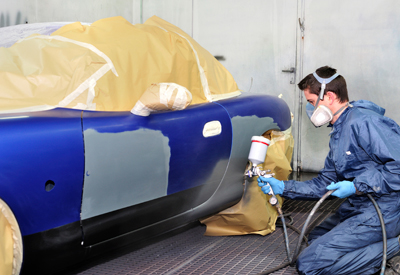 Many products require a preparation step prior to painting or finishing. New products are pretreated to prepare the surface for the coating. Once a product has been coated, it often must be stripped before it can be re-coated. This page includes information on pretreatment tips, types, and solutions. For information on paint stripping, click here.
Pretreatment Tips
Assess the Cleanliness of Parts
The first step for reducing waste in pretreatment is assessing the cleanliness of parts. Determine the sources of contaminates to reduce or eliminate them. Consider to what degree surfaces become contaminated with substances such as oil from machining, dirt from the manufacturing environment, and oil from people’s skin.
Assess the Cleanliness of the Process
Next, determine the cleanliness standard needed to satisfy the pretreatment process. Once contaminant sources are identified and cleanliness standards are set, determine which contaminants can be eliminated. Then, if contaminants cannot be reduced enough through process changes, assess the cleaning methods used.
Types of Pretreatment
Aqueous Cleaning
Aqueous cleaning, which uses water-based chemistries, eliminates the slight fire risk of petroleum solvents like mineral spirits and can provide a better work environment by reducing the volatile organic compound (VOC) emissions and their associated odors. This type of cleaner is also less likely to cause skin problems such as dermatitis. Aqueous parts washers, if chosen carefully and operated sensibly, can improve parts cleaning in your maintenance operation and may reduce hazardous waste generated. The following resources may help you learn more about aqueous parts washers and aqueous cleaning alternatives.
- MnTAP Fact Sheet: Aqueous Parts Washers for Small Operations (2009).
- MnTAP Resource List: Aqueous Cleaning Equipment Manufacturers (2004).
- MnTAP Fact Sheet Series: Get It Plated Right. This fact sheet series focuses on causes and solution for the most difficult cleaning problems for metal product manufacturers and designers. Although the series was originally written for plating, most of the same cleaning principles applies to other coating operations as well.
Phosphatizing
Phosphatizing prepares the surface of metal parts for coating. The volume of water used to maintain the phosphatizing bath solution can be reduced by analyzing and controlling each bath’s temperature, chemical concentration, and pH level; and by recirculating the solution or rinse water to other baths where possible. An added benefit is the potential for reduced chemical use. Read the MnTAP fact sheet, Metal Phosphatizing Operations, for more information.
Conversion coatings are among the recent industrial chemical products to move away from phosphorus chemistries. Phosphorus-based conversion coatings contribute phosphorus to wastewater loading when process solutions and rinses go down the drain. In many cases, wastewater treatment plants must remove phosphorus (a nutrient which causes excess algae growth) down to 1 mg/L, costing the industry or city for treatment.
Conversion coating systems incorporate alternative chemistries and system changes that eliminate the phosphorus step, including:
- Accelerated phosphate chemistries that allow lower phosphorus concentrations
- Paint-specific seal rinses and microprimers
- Thin ceramic coatings
Industry Case Studies
- Minnesota Elevator, Inc. (2010). The company switched coating systems, which resulted in improved product quality and savings of $10,000.
- Arctic Cat (2009). An intern identified ways to reduce energy use from the paint line, reduce phosphorus discharges in the wastewater and improve compressed air efficiency.
- Tennant (2009). The company, while working with an intern, identified ways to reuse water in the pretreatment line and reduce energy use.
- McLean Thermal (2008). A MnTAP intern determined the best way to avoid SAC charges and reduce water and chemical use.
- Hoffman Engineering (2008). The company reduced fresh water use by at least 3.5 million gallons per year, saving $32,000 annually.
- Lou-Rich, Inc (2007). Water used in cleaning and cooling operations was reduced by 8.9 million gallons per year through design improvements and monitoring.
- Crenlo, Inc: Using a new paint-pail washer, converting to a HVLP spray system, and using low-VOC coatings could save approximately $162,000 annually and reduce annual VOC emissions by 109,000 pounds. The facility also added a pre-soak step to the equipment cleaning process and reduced solvent waste by 55%. As part of the same project, the company reduced solvent waste by 80% by selecting appropriate spray nozzles. (1994, 2008, 2009)
Pretreatment Resources
- MnTAP Reference List: Safer Stripping and Cleaning Chemicals for Coatings and Polymers (2007)
- MnTAP Fact Sheet: Paint stripping: reducing waste and hazardous material (2008)