Waste Reduction Opportunities
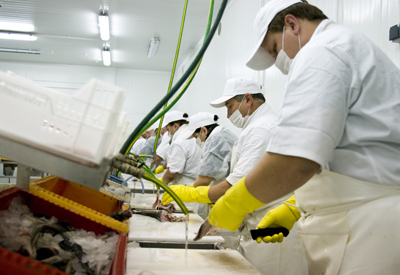 A variety of wastes are produced in food processing facilities. While the majority of waste occurs as wastewater, solid waste does also occur, as do air emissions. Some examples of waste from food processing facilities include: off-spec or contaminated product; outdated inventory; spent filters; oils, solvents, and other chemicals; raw material containers; and damaged pallets.
When addressing product loss in particular, source reduction is the most desirable strategy for minimizing waste and is preferable to recycling or diverting waste streams. Source reduction not only reduces your disposal costs, but can also reduce your operating and raw material costs as well. Modifying process equipment can lead to significant opportunities for reducing the amount of waste generated at your facility.
Production Process and Equipment Modifications
While the process at your facility may be generating the product you desire, it may also be generating more waste than necessary. Therefore, modifying the process or upgrading equipment may not only improve your production, but reduce the waste generated. Some examples might include:
- Improved scheduling
- Maximizing the dedication of process equipment
- Minimizing the amount of cleaning solution used
- Avoiding use of the wastewater stream as a “conveyor”
- Substituting less toxic or non-toxic substances as cleaning agents
- Conserving water
- Minimizing the loss of product
- Changing out equipment that could be considered hazardous or un-safe
MnTAP Resources
The following MnTAP resources highlight waste reduction projects in food processing facilities in Minnesota.
- Fact Sheet: Dairy Waste Reduction Tips. This list of tips provides information for reducing waste streaming from dairy processing facilities in the wastewater.
- Case Study: Schroeder Milk Saves $400,000 through Product Savings and Water Conservation (2008). Using a pollution prevention team the company identified opportunities for process improvement and now save over $400,000 and 13 million gallons of water annually.
- Intern Summary: Southern Minnesota Beet Sugar Co-op Reduces Waste and Saves Over $500,000 (1997). By evaluating its process, the co-op reduced lime use and waste by 22,000 tons a year.
- Intern Summary: The Mercury Manometer Replacement Project (1995) replaced 1,353 manometers with a non-mercury gauge and removed 1,134 pounds of potentially hazardous mercury from dairy farms and the environment.