Gold University of Minnesota M. Skip to main content.University of Minnesota.
 
Minnesota Technical Assistance Program
Intern Program
Materials Exchange
Resources
Wastes
Industries
 

Dry Cleaning

Energy Conservation

Ethanol

Fiber Reinforced Plastics

Food Processing

Health Care

Iron Mining

Laboratories

Machining & Metal Fabrication

Metal Finishing

Metalcasting

Painting & Wood
Finishing


Paper Mills

POTWs

Printing

Vehicle Maintenance

Water Conservation


MnTAP logo   612.624.1300
  800.247.0015
 
  Home > Industries

Fiber Reinforced Plastics

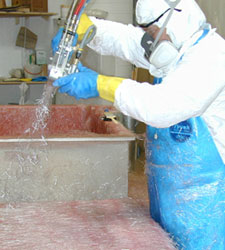
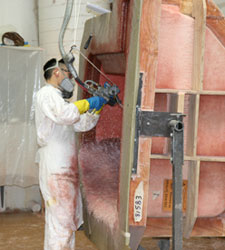
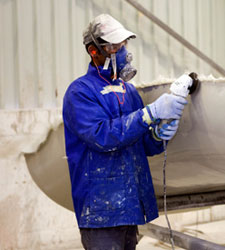
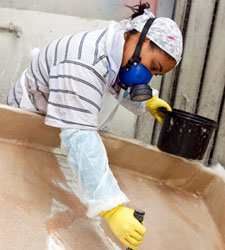
The fiber reinforced plastics (FRP) industry today is experiencing significant growth as more products are made from reinforced plastic for greater durability, strength and life. Thousands of products are now manufactured from reinforced plastics including building materials, sporting equipment, appliances, automotive/aircraft parts, boat and canoe hulls, and bodies for recreational vehicles.

Growth in the industry also poses environmental and health concerns especially for shops that are not willing or able to "change with the times" and upgrade to new, more efficient technologies. Environmental and health risks come from the styrene in the resin that is released when the resin has contact with air, resulting in employee exposure and VOC (styrene) releases to the environment.

Employee exposure is now regulated by an Occupational Safety and Health Administration (OSHA) workplace airborne threshold limit value (TLV) of 50 parts per million (ppm) in many states including Minnesota. Releases to air are regulated by the Clean Air Act (CAA) National Emission Standards for Hazardous Air Pollutants (NESHAP) for reinforced plastic composites and boat manufacturing. Neither of these standards can be met cost-effectively without implementing pollution prevention methods and technologies that reduce styrene emissions.

Styrene reduction strategies rely on minimizing resin contact with air and can be achieved in a number of different ways. These methods include maximizing transfer of resin into the mold (operator training and improved resin application techniques), reducing styrene content in resins (low styrene resins), and curing resins in a closed system (closed mold).

These Web pages offer ideas and resources for preventing pollution. They also provide information on the environmental and safety rules in Minnesota for the fiber reinforced plastics industry.

If you have environmental questions related to the fiber reinforced plastics industry, contact MnTAP at 612.624.1300 or from greater Minnesota, call 800.247.0015.


MnTAP staff near vacuum bagged boat hull


Fiber Reinforced Plastics
Closed Molding
Open Molding
Scrap
Volatile Emissions

Training & Associations
Regulatory Information
A to Z Waste Topics


The University of Minnesota is an equal opportunity educator and employer.